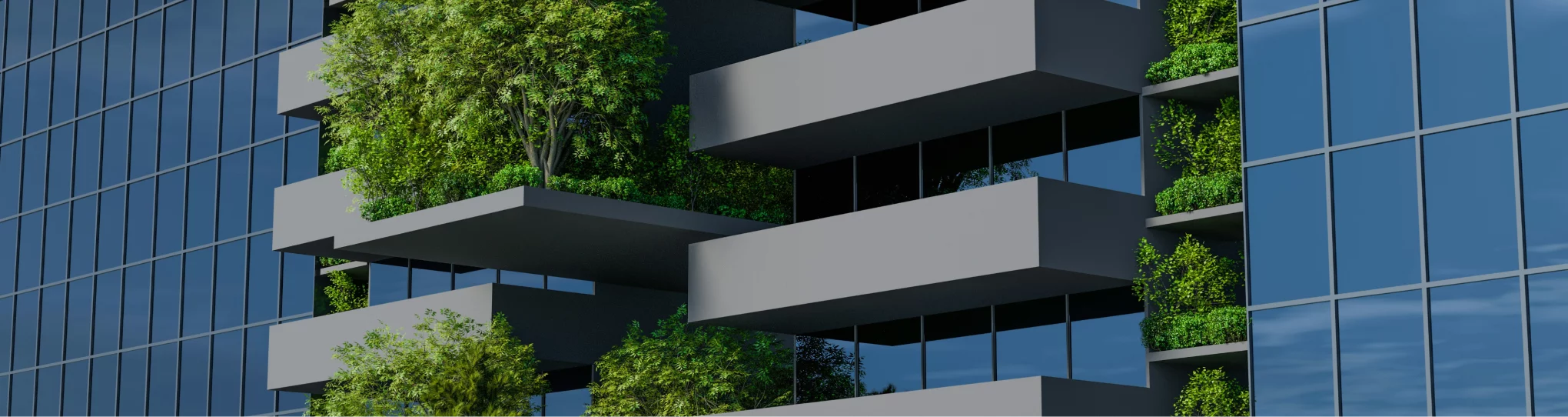

Decarbonization of existing buildings involves striving to achieve a zero carbon balance by modernizing and optimizing the infrastructure operationally. This process includes a series of operational and investment changes, as well as the implementation of renewable energy sources to reduce energy consumption. An additional component is the use of technology that allows precise control of systems inside the building.
Decarbonizing existing buildings requires a detailed analysis of current systems, proposing and implementing changes that reduce the carbon footprint while optimally minimizing investment costs and shortening payback time.
A key element of the analysis is an audit of the facility supported by measurements, which results in ideas to reduce energy consumption for later economic and energy analysis.
The result of the analysis is the so-called Net Zero Patch – a proposed path to decarbonization in the coming years in line with intended goals and based on the budget.
Existing buildings account for a large share of global CO₂ emissions – over 90% of office buildings will not meet the emission standards required by 2030 unless appropriate steps are taken.
The European EPBD directive anticipates complete decarbonization of buildings by 2050, making the modernization of existing facilities a priority. Adjusting buildings to low-emission standards:

Dominika Bryła
Net Zero Team Leader and Senior Specialist
Buildings with reduced energy consumption are less susceptible to energy price increases, and savings can amount to up to 40% annually.
Project implementation from A to Z
Customization of solutions
Constant support and advice

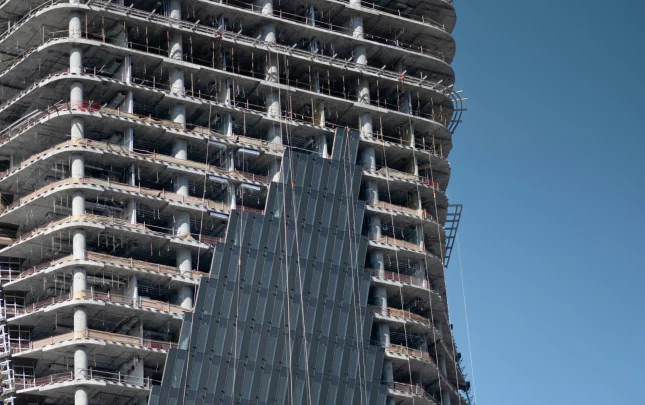
Consulting on building design with a focus on minimizing CO₂ emissions and increasing energy efficiency. This includes analysis of materials, technologies, and solutions supporting sustainable development goals.
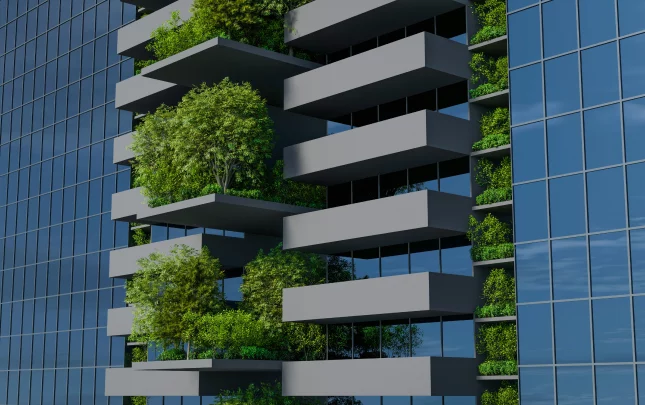
Support in developing a decarbonization strategy for existing buildings, including modernization and energy optimization. The process aims to reduce the carbon footprint and adapt the building to climate and legal requirements.
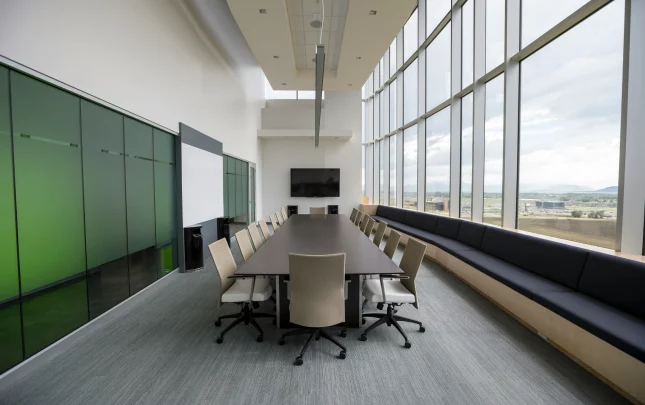
Conducting energy analyses of enterprises to identify areas requiring improvements in energy efficiency. The audit provides recommendations for actions to reduce energy consumption and emissions.

A digital tool for building management, allowing real-time monitoring and optimization of facility parameters. Digital FM supports sustainable building management and operational efficiency.
The process of creating building simulations to predict energy consumption and optimize their design for efficiency. The tool supports decision-making regarding operational costs and environmental impact.

Documents assessing the energy efficiency of buildings, which are legally required and crucial for real estate transactions. They form the basis for planning modernization activities and increasing the value of the building.
Certificates confirming energy savings achieved through implemented modernization solutions. They enable companies to gain additional financial benefits for energy efficiency.

The process of analyzing energy consumption and emissions in a commercial real estate portfolio to improve their efficiency. CREEM supports strategic decisions regarding investments and sustainable development.

Environmental declarations providing detailed information on the impact of a building product on the environment. The documents are based on life cycle assessment (LCA) and serve as a basis for ecological comparisons of products.

Sheets containing key information about the compliance of materials and products with sustainable development requirements. They support design and investment decisions in eco-friendly construction.
Life Cycle Assessment (LCA) focused on CO₂ emissions associated with the production, transport, and disposal of building materials. It allows for the selection of solutions with the least environmental impact.

We will soon send you an offer best suited to your needs.
Thank you for sending us your message. We will reply to you shortly.
In order to best tailor the offer to your needs and reduce the preparation time, we invite you to complete a short survey.
Na podany przez Ciebie adres email otrzymasz potwierdzenie udziału w procesie rekrutacji i informacje na temat kolejnych kroków.
Powodzenia!
Zespół HR

